
Tag: Sustainable Assistance
-
Busy Work Increases Program Attrition
Busy work refers to tasks that lack a clear purpose or any meaningful outcome. Program designers, too frequently, include such tasks only in order to occupy the time of program participants rather than assisting them in building viable skills. The complete removal of busy work remains essential for sustainable reintegration outcomes. Read more
-
Hygiene Literacy and Homelessness
The concept of Hygiene Literacy describes the knowledge of personal hygiene, sanitation practices, and household cleanliness. Societal reintegration programs must therefore teach what, to some, are the most basic principles of practical hygiene knowledge, not merely focusing on the frame of mind of vulnerable populations. Read more
-
The Identity of Indigence and Why it Persists
The Identity of Indigence is a theory rather than an objectively defined term. It reflects the psychological condition developed as a result of long-term or even a lifetime exposure to living on the streets or otherwise enduring an impoverished lifestyle. It is integral to the lived human experience of indigent populations. Read more
-
Temporal Engineering and the Indigent Insistence on Now
Effective societal reintegration programs must focus on the process of temporal engineering so participants begin to understand and accept the gradual adoption of systemic time awareness and the potential that a better future is a possibility and that there is no continued need to survive solely in the here and now. Read more
-
Social Assistance Programs and Fair Trade Policies

Fair trade rules make sure that access to these social assistance programs and benefits remains open to all, as long as individuals meet the requirements of the program. Read more
-
Economic Viability and Sustainable Development
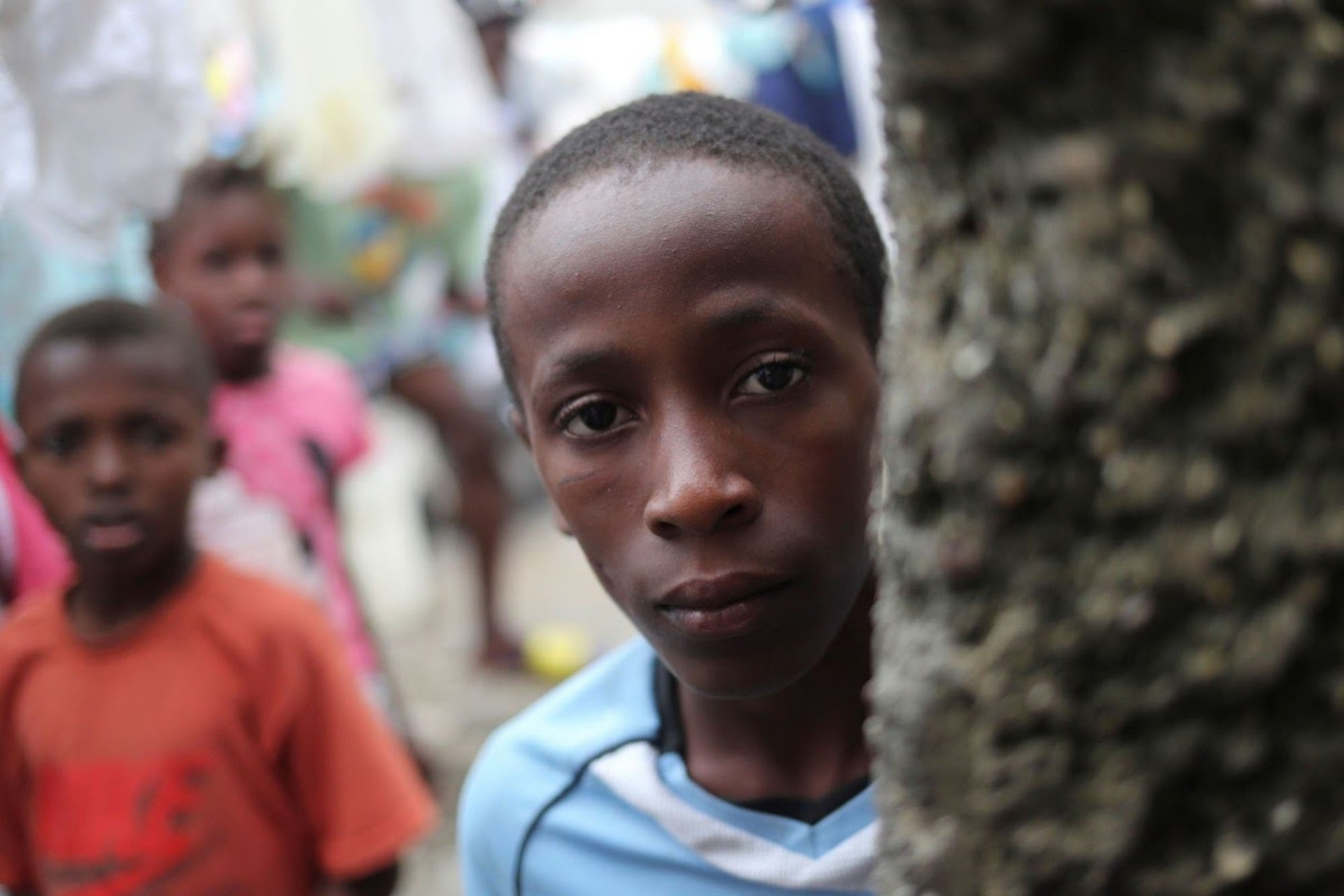
The economic viability of sustainable development is not an option, but a need. OPISAC programs focus on creating systemically sustainable human growth and development. Economic viability is a key part of this approach. Read more
-
Decentralization, Distance, and Dictators

To ensure that operations remain contextually appropriate and community-driven, OPISAC supports a decentralized framework where local autonomy is prioritized as a central tenet of its program design Read more
-
Sustainable Forest Management Programme

The Sustainable Forest Management Programme, known as PGDF (Programme de Gestion Durable des Forêts), is a major sustainable initiative launched in the Democratic Republic of the Congo Read more
-
Philippine Development Plan

The Philippine Development Plan or PDP 2023-2028 is the main plan for domestic growth and progress. The government created this plan to guide the country over six years. Read more
-
The Green Economy Transition in the DRC

The Green Economy Transition is a process where countries move toward economic systems that protect the environment, create jobs, and improve the quality of life for people Read more
-
Department of Social Welfare and Development and Sustainability
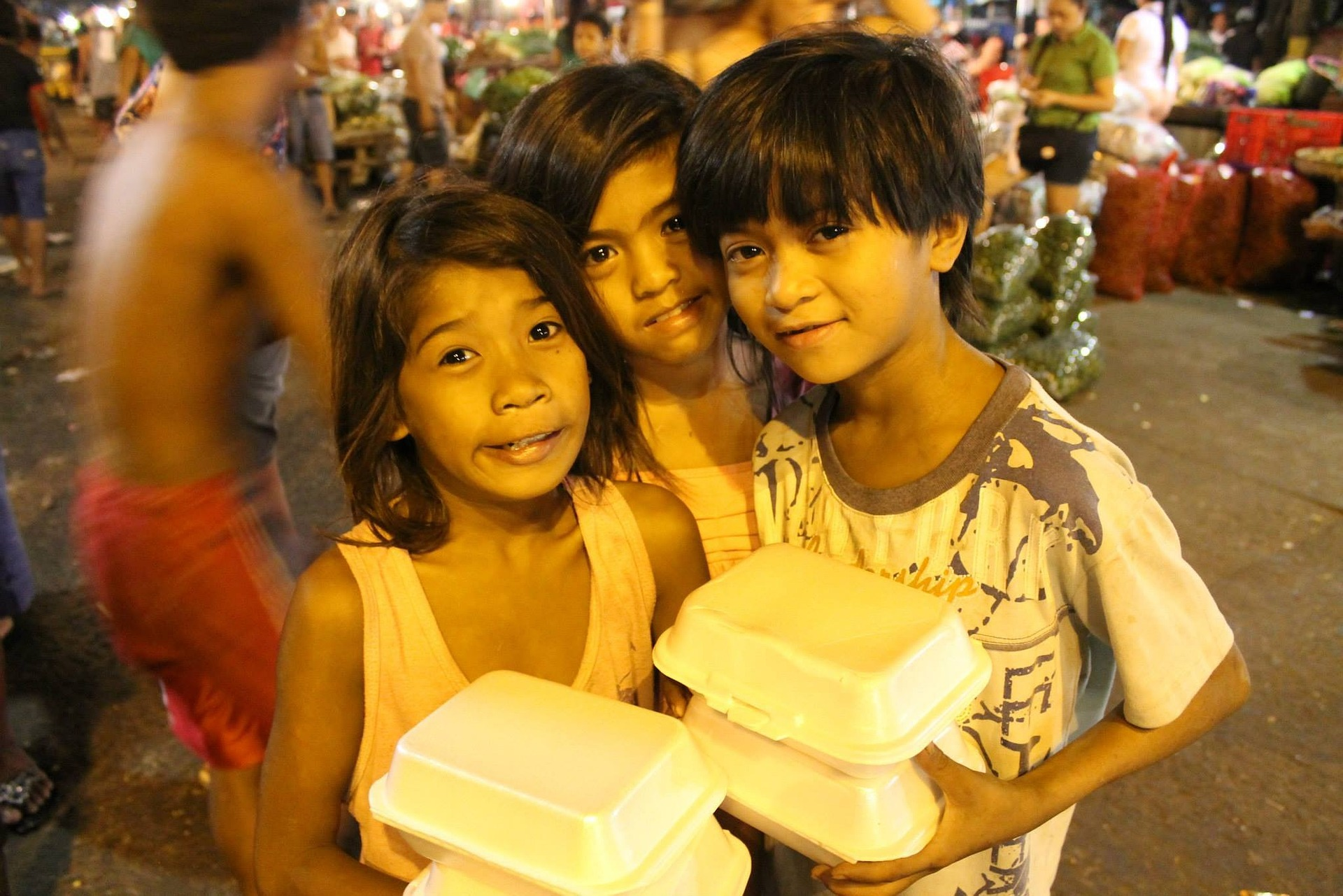
The cooperation of the Department of Social Welfare and Development is imperative for the success of OPISAC and the stated goals and objectives of the organization Read more